Clint Eastwood: From the Silver Screen to City Hall – When the Good, the Bad, and the Mayor Took Charge in Carmel-by-the-Sea
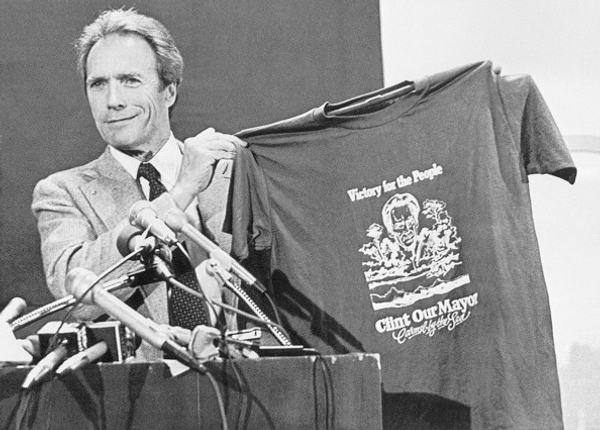
On April 8, 1986, Eastwood was elected Mayor of Carmel-by-the-Sea, garnering 2,166 votes over incumbent Mayor Charlotte Townsend's 799. And this at a time when the village's population was just under 3,200. Clearly, he was hugely popular. Fellow actor turned politician Ronald Reagan phoned in his envious congratulations.
Urban lore paints accomplishments of his one and only two-year term as frivolous (such as overturning a decades-old and inexplicable ban on ice cream consumption in public). The truth is that he chalked up solid accomplishments for his adopted hometown such as spearheading the construction of Carmel library's Park Branch annex and children's library at Mission Street and on 6th Avenue and the addition of public restrooms on the city's world-renowned Carmel Beach.
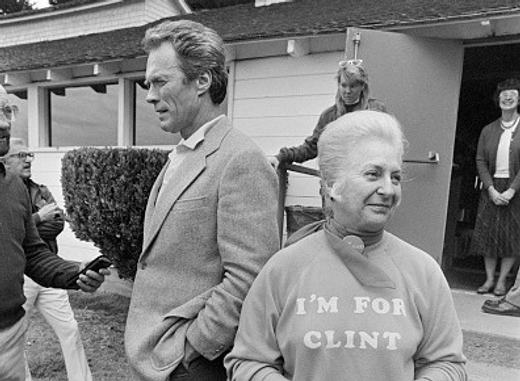
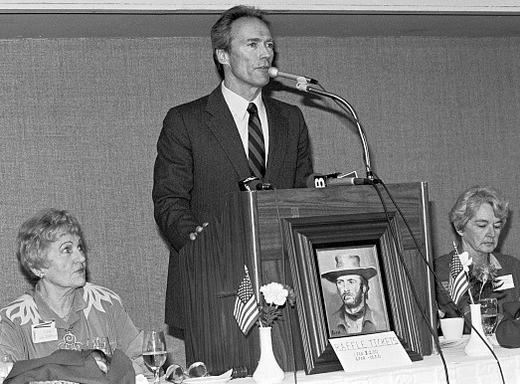
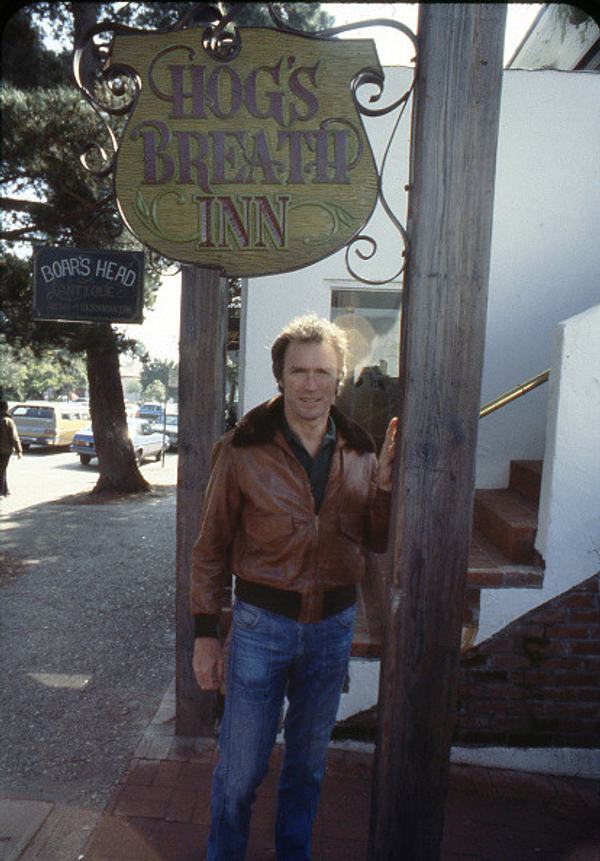
Already a fabulously famous Hollywood actor and director, Eastwood was—and is—a successful and innovative businessman. One of his holdings in the 1980s was an office/retail structure on San Carlos Street. This building also housed his storied Hog's Breath Inn in the sheltered rear courtyard. Frustrated by the amount of red tape involved in developing this property he determined to run for office and make a positive impact on the way business was conducted.
The office of mayor is largely ceremonial, but still consumes a lot of time and energy, something the star has in prodigious quantities. Though he had pledged to put his career on hold while serving his community, he was obliged to produce two films while in office, "Bird," his biopic of jazz legend Charlie Parker, and "Heartbreak Ridge."
It's said that while Eastwood enjoyed his tenure, he opted not to run for a second term. This decision allowed him to concentrate on his film and business careers, bringing us such classic movies as "Unforgiven," and "Million Dollar Baby," both of which yielded Best Picture Oscar statues for his mantle.
Those two mid-1980s years left an indelible mark on Carmel-by-the-Sea. In fact, when Carmelites travel around the world and share where they're from, the first question many ask is "Is Clint Eastwood still mayor?" That's quite a legacy.
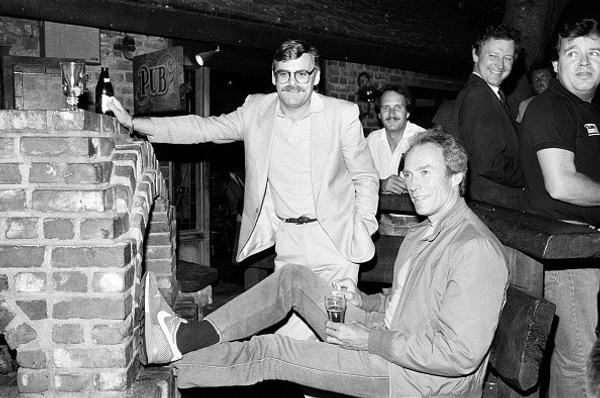
Like his iconic Spaghetti Western character "The Man with No Name," Clint Eastwood casts a long shadow. And during his single two-year term as Mayor in the late 1980s, he made this tiny one-square-mile village a big player on the world stage.
His footprints are everywhere, if one knows where to look. Of course, there's the office building that bears his name on San Carlos Street (and additionally houses The Hog's Breath Inn, the restaurant and pub he founded and operated for nearly three decades). But many of his other contributions are less obvious.
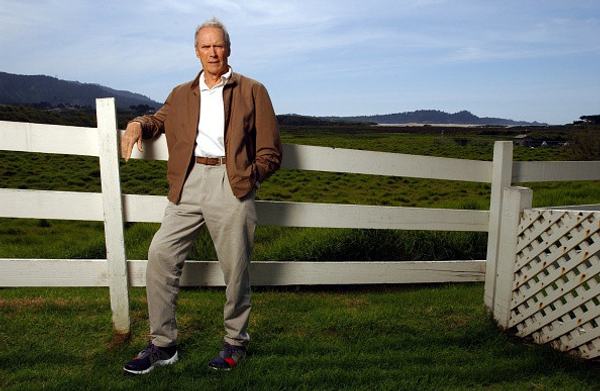
For example, he learned that the Mission Ranch, a former dairy operation south of town that had been converted into a beloved restaurant and night spot was being sold to make way for a housing development. So, he purchased the property and meticulously restored the historic buildings. Another, adjacent plot of land, a former artichoke field, was set to become a 76-lot residential subdivision. Eastwood bought that too, later handing over the property to the State of California and altering a levee along the Carmel River that now protects the neighborhood known as Mission Fields. His Tehama development in Carmel Valley is a world-class residential golf destination and he is part owner of the Pebble Beach Company.
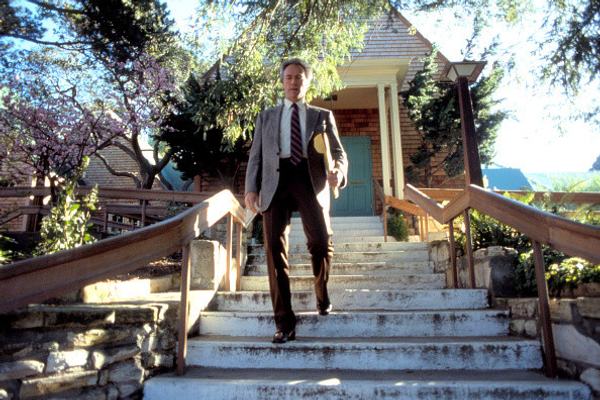
Eastwood is a great supporter of the arts, and during his term as Mayor, spearheaded the construction of the Carmel Library's Park Branch that houses a children's library and offices of the Carmel Library Foundation. A lifelong music lover and amateur musician, he has served on the board of Monterey Jazz, formerly known as the Monterey Jazz Festival. He is intimately involved in the composition and production of the music for his films as well.
The City of Carmel-by-the-Sea celebrated its 100th anniversary on October 31, 2016. The fete featured a parade highlighting its favorite son as Grand Marshal. Eastwood proudly rode shotgun on an authentic Wells Fargo stagecoach, waving to the crowds while clad in various pieces of wardrobe—from "Rawhide's" Rowdy Yates to "The Man with No Name"—saved from the western productions that made him famous.
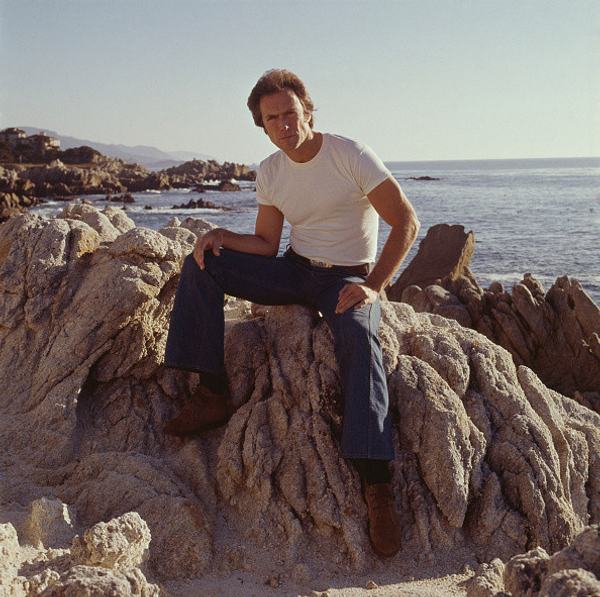
Clint Eastwood first came to love Carmel-by-the-Sea when he was a young Army recruit stationed at the former Fort Ord in the 1950s and devoted much of his time, talent and personality to Carmel for decades.